 London Today
 Saturn has grown a ten-sided shape, and amateurs saw it first
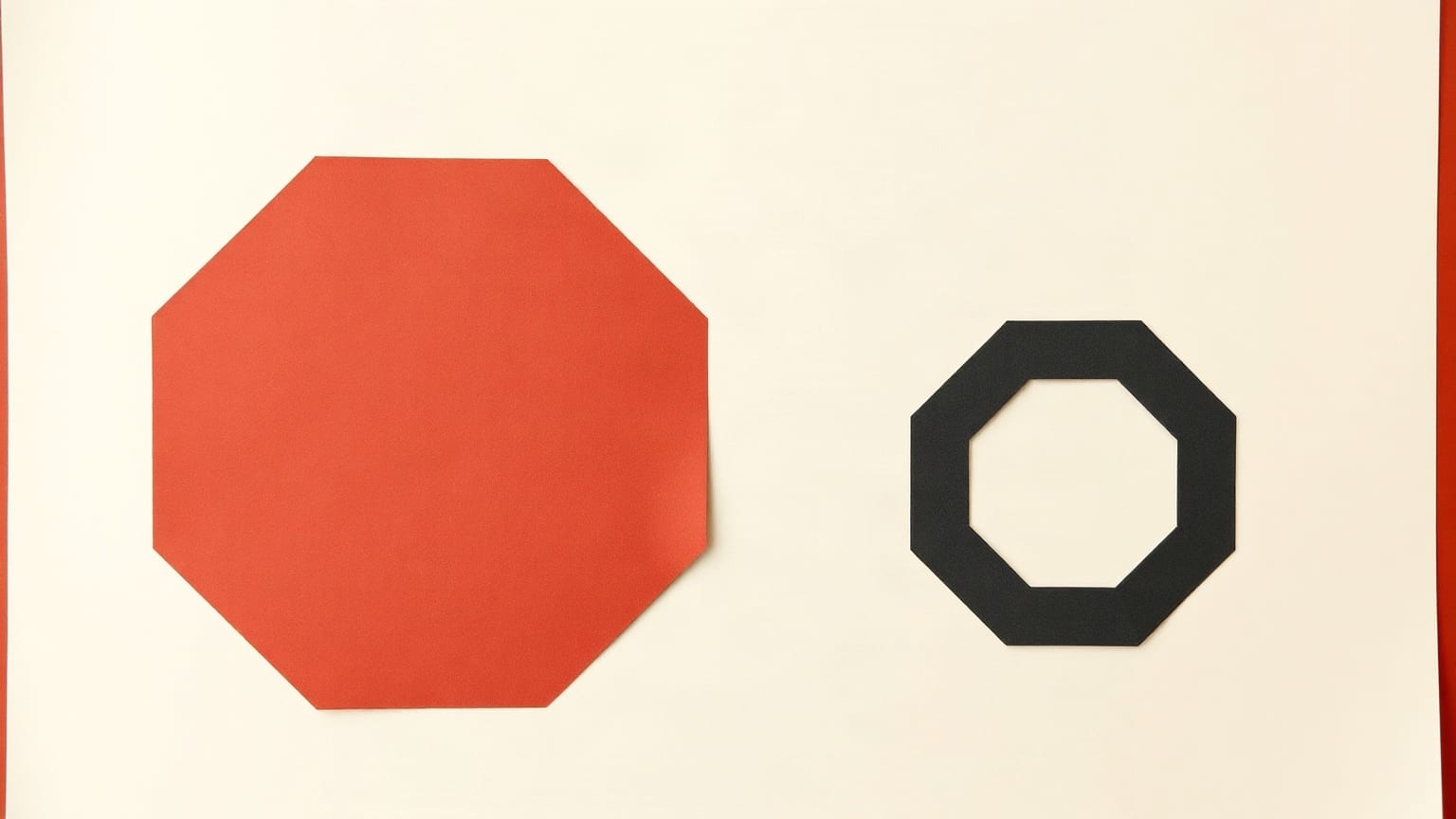
Planets are not supposed to have corners. Saturn now has ten of them at the south pole, and the people who noticed first were not using a space telescope.
What was found
NASA’s Hubble Space Telescope has confirmed a giant ten-sided atmospheric wave encircling Saturn’s south pole — the first time a large, regular-sided jet pattern has been seen in the planet’s southern hemisphere. The results were published on 2 September 2026 in Science Advances, led by Agustín Sánchez-Lavega of the University of the Basque Country.
How it was noticed
Backwards, as these things usually are. Hubble images going back to 2023 contain faint hints of a ten-vertex shape that nobody had reason to look for. The undulating band was picked out in 2024 by Sánchez-Lavega with the amateur astronomers Trevor Barry and Jean-Paul Oger; by August and September 2025 the pattern was unmistakable.
The one at the other end
Saturn’s north pole has held a hexagon for more than forty years of looking. The decagon is not its twin. Amy Simon of NASA’s Goddard Space Flight Center, who runs the Outer Planet Atmospheres Legacy programme: «We’ve never seen anything quite like this in Saturn’s southern hemisphere. This feature is different — it appears to be strengthening.»
Her open question is the good one: «why did it suddenly form now when we haven’t seen one before?»
Why it is a wave and not a thing
The shape is a standing wave inside a jet stream: fast wind running in a ring, bent into a fixed number of lobes. It is thick enough to run through several layers of atmosphere, so it is not a pattern in the clouds — it is a pattern in the wind, and the clouds are only how we can see it.
The part worth taking away is not the shape but the method. This was found in a programme that photographs the outer planets once a year and keeps the pictures — OPAL has been running for over a decade, and the decagon was sitting in the 2023 frames before anyone had a reason to look. Mike Wong of UC Berkeley put the general case for it plainly: the discoveries come not from one observation but from years and years of data. That is also why two amateurs are named on this: annual professional coverage is thin, and the people watching Saturn most nights are the ones who see something start. Anyone with a telescope in a London garden is not going to resolve a polar wave, but this is a reminder that the useful contribution from small instruments is not detail — it is frequency.
Source: NASA Science checked against the source
More London news

M&S joins London Fashion Week
London Fashion Week runs 17 to 21 September, with M&S making its debut on the schedule, Mulberry's first collection under Christopher Kane and McQueen's London return.

Self-driving Ubers in London
From 3 September an UberX, Uber Electric or Uber Comfort anywhere in London except the airports can be a Wayve car driving itself, at the fare you were already quoted.
Kew is £10 on Tuesdays
From 8 September to 29 December the Tuesday ticket is £10 instead of £25, and it includes the largest outdoor Henry Moore exhibition ever staged.