 London Today
 An Uber in London can now arrive with nobody driving it
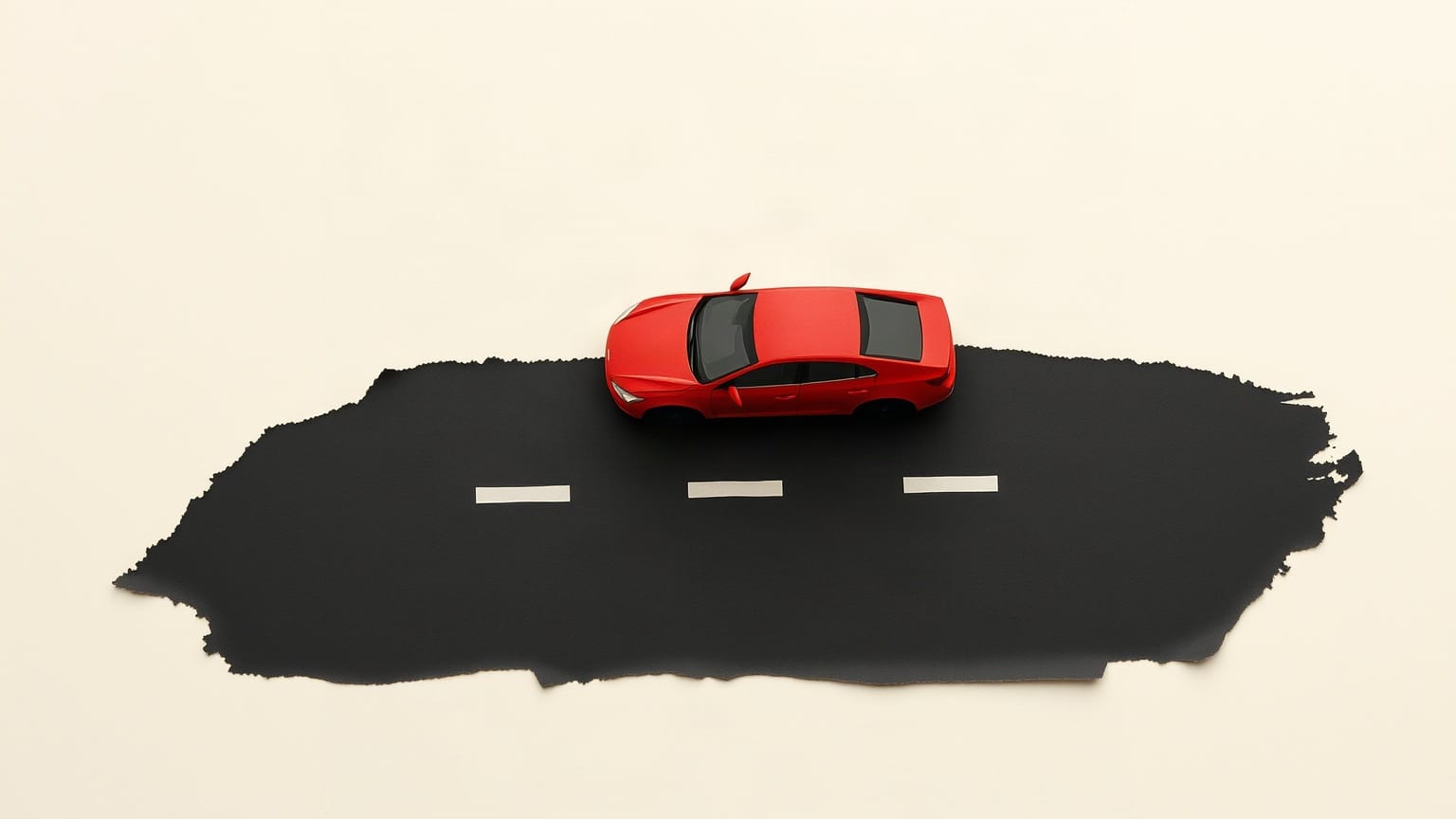
The first autonomous trips in the United Kingdom did not start with a launch event in a closed car park. They started with an ordinary Uber request, from an ordinary London street, at the price the app had already quoted.
What changed on 3 September
Wayve and Uber began matching London riders with cars driving themselves. Request an UberX, Uber Electric or Uber Comfort and one of them may arrive; the fare is the upfront one in the app and there is no extra charge. The service covers anywhere in London except the airports.
It is the first time autonomous trips have been available anywhere in the UK, and Wayve’s first commercial public service anywhere in the world.
Somebody is still in the front seat
This is supervised autonomy, not an empty car. A trained, TfL-licensed private hire driver rides in the vehicle to oversee the trip and take over if needed. Transport for London granted the private hire licences in August. Removing the person in the front seat is a separate approval, from the Driver and Vehicle Standards Agency, and is not expected this year.
How many cars, honestly
Fewer than you would guess. Wayve’s own announcement says only that it is starting with «a small number of vehicles in this initial phase»; Bloomberg and Time Out both put the fleet at 15 — electric Ford Mustang Mach-E cars carrying the Wayve AI Driver and its surround sensors.
If you would rather not
You can decline before it arrives, and you can opt in the other way too: Uber says more than 140,000 Londoners had already set a preference for autonomous rides. Inside, the screen speaks 64 languages.
What Wayve says
Alex Kendall, CEO and co-founder of Wayve: «We’re proud to introduce the Wayve AI Driver to the public for the first time right here» — in the city the company was built in.
Fifteen cars across Greater London is a rounding error next to the size of Uber’s fleet here, so treat being matched with one as a coincidence rather than a plan: there is no button that summons it. What is worth watching is not the car but the paperwork. Everything announced this week runs with a licensed driver aboard, which legally makes it a private hire vehicle like any other — the interesting threshold is the DVSA approval that would let that seat be empty, and nothing about the September launch brings that date closer on its own. The other number to keep an eye on is the map: London except the airports is a deliberate exclusion, because airport runs are where private hire actually makes its money and where the road layout is hardest.
Source: Wayve checked against the source
More London news

M&S joins London Fashion Week
London Fashion Week runs 17 to 21 September, with M&S making its debut on the schedule, Mulberry's first collection under Christopher Kane and McQueen's London return.
Kew is £10 on Tuesdays
From 8 September to 29 December the Tuesday ticket is £10 instead of £25, and it includes the largest outdoor Henry Moore exhibition ever staged.

Saturn has grown a decagon
Hubble has confirmed a ten-sided wave around Saturn’s south pole. Two amateur astronomers spotted the undulation in 2024; the paper landed on 2 September.